

The Stoic Art of Pain: How to Stop Magnifying Suffering
We live in an age of amplified suffering. A stubbed toe becomes a catastrophe. A headache signals terminal illness. We magnify every twinge, every ache, every discomfort until it consumes our consciousness.
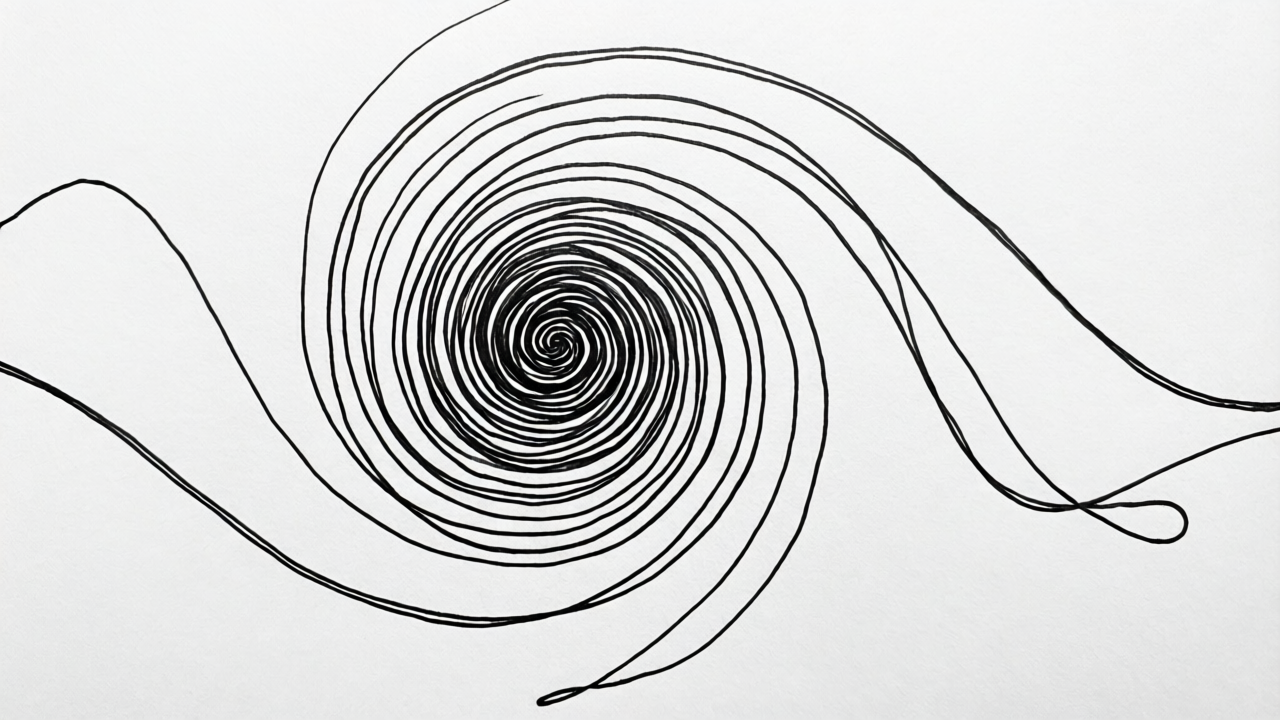
The Modern Friction
Our minds have become pain amplifiers. We scroll through endless wellness content, comparing our discomfort to others' stories. We research symptoms online, feeding anxiety with worst-case scenarios. The physical sensation becomes secondary to the mental narrative we construct around it. We don't just feel pain—we imagine its progression, its permanence, its meaning. This mental magnification creates more suffering than the sensation itself.
The Ancient Anchor
Marcus Aurelius wrote in his Meditations: "Pain is neither unbearable nor unending, as long as you keep in mind its limits and do not magnify it in your imagination."
The Roman emperor, who suffered chronic health issues throughout his reign, understood something fundamental: pain has boundaries. It exists in the present moment. It has a beginning and an end. Our suffering comes from projecting beyond those limits—imagining it will last forever, imagining it will intensify beyond bearing.
The Stoic solution isn't denial. It's precise observation. Separate the raw sensation from your story about it. The burning in your shoulder is just that—burning. Not "my career is over" or "I'll never sleep again." Just heat, tension, discomfort. Contained. Limited.
This practice of stoic philosophy teaches us to meet pain with clarity rather than fear.
The Daily Practice
1. Name the Boundaries: When pain arises, speak its limits aloud. "This headache started at 3 PM. It will end. It occupies only my forehead." Define its territory. Contain it.
2. Separate Sensation from Story: Write two columns. Left: physical sensations (throbbing, 6/10 intensity). Right: mental narratives ("I can't work," "This ruins my week"). See the difference. Choose the left column.
3. The Hourglass Method: Visualize pain as sand in an hourglass. Watch it flow from future anxiety through present sensation into past memory. Don't add more sand with your imagination.
The Stoic Line
True strength isn't about enduring more pain. It's about drawing cleaner boundaries around it. The single line between sensation and suffering. Between what is and what we fear might be. This minimalist approach to discomfort—this stoic clarity—is the ultimate form of resilience. We don't become invincible. We become precise. We contain what can be contained. We accept what must be accepted. And in that acceptance, we find space to breathe again.